Blog
»
{{catList[365].label}}
» 5 reasons to visit Ulea
5 reasons to visit Ulea

The history of Ulea dates back to the Iberian era, proposing a change between cultures as time has progressed. Like other municipalities in the region of Murcia, Ulea has had a great influence on different cultures, which have left their mark on the characteristics of the population.
Seeing the influence of different cultures, in an area where livestock and agriculture are the cornerstones of the economy, represents an attraction for any tourist who wishes to visit this beautiful town.
Here are our five reasons to visit Ulea:
It is declared an Asset of Cultural Interest.
This property has a great sentimental value for the residents of the place, especially the grandparents of the area. A story has been passed between generations and makes them proud of their cultural identity.
That's because the original owner of that house was a great friend of the architect Alexandre Gustave Eiffel. Do you want to know more about this curious story? Come to the Eiffel House in Ulea to find out.
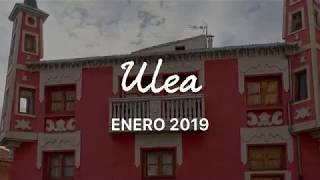


The Gurugu Viewpoint offers impressive panoramic views.
The tradition consists of sinking the relic to purify the waters that feed the orchards, seeking to provide fertility and quality to the crops.
There is a popular saying: "Whoever drinks these purified holy waters, or is touched by them, the Blessed Patroness Saint will accompany them and protect them from any illness and danger”.
Seeing the influence of different cultures, in an area where livestock and agriculture are the cornerstones of the economy, represents an attraction for any tourist who wishes to visit this beautiful town.
Here are our five reasons to visit Ulea:
Church of Saint Bartholomew and Vera Cruz
This beautiful church was built on top of an old Muslim mosque in the 15th century. It is located in the highest part of the town and is the oldest church in the Ricote Valley region.It is declared an Asset of Cultural Interest.
Eiffel House
Transcendental friendships and fruit. This is how the importance of the Eiffel House in Ulea can be summed up, but it would be unfair to the story.This property has a great sentimental value for the residents of the place, especially the grandparents of the area. A story has been passed between generations and makes them proud of their cultural identity.
That's because the original owner of that house was a great friend of the architect Alexandre Gustave Eiffel. Do you want to know more about this curious story? Come to the Eiffel House in Ulea to find out.
Villar de Felices Water Wheel
Like other municipalities in the region, Ulea, whose main economic activity has always been agriculture and livestock, had an efficient irrigation system.
Known as the Water Wheel of the Countess, the Water Wheel of Villar de Felices is a huge wheel that fed the agricultural fields of the municipality. Supported by two masonry pillars and moved by water from an old ditch, this water wheel guided the water towards an aqueduct.
Known as the Water Wheel of the Countess, the Water Wheel of Villar de Felices is a huge wheel that fed the agricultural fields of the municipality. Supported by two masonry pillars and moved by water from an old ditch, this water wheel guided the water towards an aqueduct.
Gurugu Viewpoint
This is located next to the Gurugu Tower, accessed from the road that leads to the highway, right at the roundabout of the municipality in the direction of Archena. It won't be long before you see the tower, which is bright red.The Gurugu Viewpoint offers impressive panoramic views.
The bath of the Holy Cross
This tradition is celebrated every May 3. It takes place in Henchidor's Temple (20th century), built on the exact site through which the irrigation channel passed.The tradition consists of sinking the relic to purify the waters that feed the orchards, seeking to provide fertility and quality to the crops.
There is a popular saying: "Whoever drinks these purified holy waters, or is touched by them, the Blessed Patroness Saint will accompany them and protect them from any illness and danger”.
Activities in the region of Murcia


Share Article
More Articles


